Losing health benefits through an employer can be daunting, especially when dental coverage is included. COBRA insurance provides a lifeline for many in between jobs or after other life changes. But is it financially wise to keep COBRA for dental care? This guide simplifies the costs, benefits and alternatives to help you determine whether COBRA dental insurance is the way to go.
What Is COBRA Dental Coverage?
The law, known as COBRA, allows workers to temporarily keep their employer-sponsored health plan even after they leave a job. This plan even covers dental and vision. For instance, a worker who had dental coverage at an employer but not group health coverage after leaving can, in most cases, keep the same dental plan uninterrupted for up to 18 months by using COBRA.

COBRA dental benefits function as they did when you were employed—no dentist-swapping or benefit-switching in the middle of a treatment. However, the cost structure would be very different. Employers subsidize part of the premiums for active employees, while COBRA users pay the full price plus a small administrative fee.
How Much Does COBRA Dental Insurance Cost?
Price is the most significant barrier to COBRA's entry. When used, the vast majority of health insurance is paid for by employers at about 70–90%. With COBRA, individuals must pay 100% of the premium and a 2% administrative fee. For dental Insurance, the price can be between $400 and $700 per person per month. A family plan might cost north of $1,000 per month.
For instance, an individual paying $60 monthly for employer-provided dental Insurance might have to pay $600 or $700 for the same coverage under COBRA. Such a sharp increase takes many people by surprise. While administrative fees are generally modest, they can accumulate over time. Rise: A $600 premium with a 2 per cent amount comes to $612 monthly — $144 more yearly.
When COBRA Dental Makes Sense
COBRA Dental Insurance Worth It: Despite the fact their dental Insurance is expensive, COBRA can make sense in some instances:
Ongoing Treatments
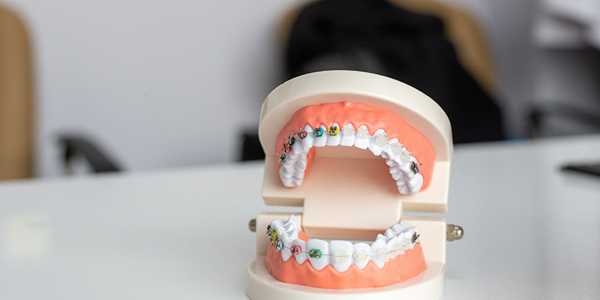
If a patient is in the middle of orthodontic work or has root canals or surgeries pending, COBRA ensures no interruption. Changing plans during treatment could require the family to begin an entirely new deductible or risk losing coverage on procedures that had been pre-approved.
Short-Term Coverage Gaps
People expecting new employer coverage in the next few months may find COBRA more desirable because it offers continuity. "It's much easier, for example, to go on transfer for three months between jobs without changing dentists."
High-Risk Dental Needs
People with chronic issues—such as gum disease or frequent cavities—may want to ensure they can stay with their current dentist. COBRA also spares you the headache of hunting for a new plan and a new provider who accepts it.

The COBRA Dental Downside
Though COBRA means you can keep your coverage, it may not be the most financially savvy decision:
Premiums Are Taxable
COBRA costs are not paid with pretax, as are employer-paid premiums. That makes the same coverage 22% more expensive for someone in the 22% tax bracket to buy.
No Flexibility
COBRA is a handcuff tied to users' former employer's plan. With high deductibles or narrow provider networks in the original plan, there's no alternative to shift to a lower cost or better features.
Temporary by Design
Coverage is for only 18 months (or 36 months for some events, such as divorce). Those who require long-term coverage must eventually locate a new plan, doubling the headache.
Alternatives to Consider
There are alternatives to COBRA for dental coverage. They might save you some money, depending on where things stand:
Private Dental Insurance
Directly purchased plans from insurers are usually less expensive than COBRA. For instance, a standard plan that includes preventive care and covers a portion of fillings might range from $30–$50 per month. However, private Insurance typically doesn't cover orthodontics or major procedures upfront. It's best for routine care.
Dental Discount Plans
These aren't technically Insurance but provide reduced rates at participating dentists. Annual fees are $100–$200, and everything from cleanings to crowns are 10–60% off. Perfect for those who do not go to the dentist regularly.
Medicaid or CHIP
Low-income individuals or families may be eligible for state programs. Coverage differs, but several states provide free or low-cost dental care to children and emergency dental coverage to adults.
Health Savings Accounts (HSAs)
Combining a high-deductible health plan for catastrophic coverage and an HSA provides tax-free savings for out-of-pocket medical expenses, including dental work. Contributions reduce taxable income, and funds can be rolled over each year.
Crunching the Numbers: COBRA vs. Other Options
A side-by-side comparison of costs over 12 months illustrates the disparity:
COBRA Dental: $600 monthly + 2% fee $7,344 yearly.
Private Insurance: $50/mo = $600/year.
Discount Plan: $120 per year + $1,200 in service discounts = $1,320.
Private Insurance or a discount plan will save thousands for those needing cleanings and fillings. However, if those procedures are costly, such as a $5,000 crown, they would be cheaper under COBRA if the plan pays 50% versus the full list price from another provider.

Getting the Most out of COBRA Dental
If COBRA makes the most sense, cut costs by:
Paying Annually: Many employers will allow you to use a lump sum to cover monthly fees.
Using FSAs: If you continue contributing to a Flexible Spending Account, you can use pretax dollars for dental expenses.
Rates Negotiation: Some dentists are willing to lower the costs for cash payments, even if you have Insurance.
Selecting the Right Road for Dental Health
COBRA dental insurance is not necessarily a bad choice — but it's also not usually going to be the least expensive. The stability is worth the expense for people with immediate or ongoing needs. For some, investigating alternatives like discount plans or Medicaid could spare money for other priorities. Balance immediate needs and long-term financial health.
Before making a choice, list all of the dental costs you anticipate in the future and compare the details of the plans and total costs. A couple of hours of research today might save you thousands tomorrow.